In this article, you’ll learn:
- The key benefits of hybrid work for employee happiness
- Why hybrid work alone isn’t enough for long-term retention
- How to listen to employee needs to improve engagement
- Practical employee retention strategies that align with today’s workforce
- Steps to build a workplace where employees want to stay and grow
For many organizations, the conventional 9–5 office model seems like a thing of the past. Technology breakthroughs, the growing popularity of remote and hybrid work models, and the emergence of artificial intelligence have all contributed to a dramatic change in the workplace in recent years.
Unprecedented flexibility and access to a global talent pool have been brought about by this evolution, but it has also brought forth new difficulties, especially in the area of employee retention. A hybrid workforce, which combines remote and in-office presence, has become a potent solution in this dynamic environment, providing the best of both worlds.
Employers must proactively modify their strategies to maintain the engagement, satisfaction, and commitment of their most valuable asset, their employees, if they are to fully realize their potential. This blog post will explore five essential strategies for boosting retention in today’s hybrid world, ensuring your talent stays with you for the long haul.
1. Communication, Communication, Communication
Clear, consistent, and proactive communication is not only crucial in a hybrid setup, but it is also the lifeblood of your organization. When team members are dispersed across various time zones and places, there is a much greater chance of miscommunication, loneliness, and a lack of openness.
Streamline Communication Methods
Start by defining and streamlining your communication channels. This means clearly outlining when to use email for formal announcements, when to use instant messaging for quick queries, and when video conferencing is necessary for collaborative discussions.
- Frequent Check-ins: Hold weekly team meetings or daily stand-ups to guarantee that both in-person and virtual participants have an equal chance to contribute.
- Asynchronous Communication: To accommodate varying work schedules, use platforms such as Slack, Microsoft Teams, Google Workspace, or Trello boards for updates that don’t need to be answered right away.
- Leadership Transparency: Executives should communicate company news, strategic plans, and difficulties in a proactive manner. Regardless of their actual location, this creates a sense of trust and belonging that makes workers feel appreciated and informed.
- Feedback Loops: Establish secure and convenient avenues for staff members to offer input. One-on-one meetings, anonymous suggestion boxes, and routine pulse surveys are essential for identifying and resolving issues before they become more serious.
By creating unambiguous communication guidelines and encouraging candid discussions, you can overcome the geographical distance and maintain your hybrid team’s unity and connection.
2. Trust and Flexibility Go Hand-in-Hand
One of the greatest appeals of hybrid work is the flexibility it offers. To maximize retention, employers must embrace this flexibility and, critically, back it with a foundation of trust.
Don’t Micromanage:
Micromanagement is the fastest way to demotivate a hybrid worker. The temptation to over-monitor can be strong because you can’t always see your remote team members. Avoid it. Instead of keeping track of every minute of an employee’s day, concentrate on results and deliverables.
Set clear expectations and goals, then give your team the freedom to accomplish them however they see fit. This independence demonstrates trust, which is a key component of employee satisfaction and a strong motivator.
Allow Schedule Flexibility:
Hybrid work, by definition, offers flexibility. Embrace it fully by allowing employees a degree of control over their schedules. This could mean:
- Core Hours with Flexibility: Establishing certain “core hours” when everyone is expected to be available for collaboration, while allowing individuals to choose their start and end times around these.
- Location Choice (within guidelines): Giving staff members the freedom to choose which days they work remotely and which days they visit the office, as long as they follow corporate policies.
- Personal Needs Accommodation: Understanding that life happens. A supportive work environment is created by letting employees modify their schedules to accommodate appointments, family obligations, or personal well-being.
Employees are much more likely to feel appreciated and stick with a company when they are trusted and have control over their work-life balance.
3. Invest in Your Employees
Pay isn’t the only factor in employee retention; you also need to demonstrate your appreciation for them as professionals and people. It is essential to make strategic investments in their growth, tools, and well-being.
Mental Health Strategy:
In a hybrid environment, it can be difficult to distinguish between work and home, which can result in stress and burnout. Having a strong mental health plan is now essential rather than optional.
- Employee Assistance Programs (EAPs): Offer confidential counseling services and resources.
- Wellness Initiatives: Encourage mental health days, online fitness courses, or mindfulness breaks.
- Managerial Training: Prepare managers to spot burnout symptoms and provide their team members with effective support.
- Destigmatize Mental Health: Foster an environment where talking about mental health is accepted and encouraged.
Technology:
Employees in a hybrid workforce require the appropriate resources in order to succeed. Regardless of location, investing in state-of-the-art technology guarantees productivity, teamwork, and a smooth working environment.
- Reliable Hardware: Provide laptops, monitors, headsets, and other essential equipment.
- Collaboration Software: Invest in platforms like Zoom, Microsoft Teams, or Google Workspace for effective communication and project management.
- Secure Networks: Ensure robust cybersecurity measures to protect company and employee data when working remotely.
- IT Support: Offer accessible and responsive IT support for both in-office and remote setups.
Benefits:
To create an attractive employee value proposition for a hybrid workforce, companies need to offer tailored benefits beyond standard health insurance. This includes providing home office stipends for remote work costs, professional development allowances for growth, flexible leave policies for work-life balance, and robust recognition programs to acknowledge team members’ achievements and reinforce their value, regardless of location.
4. Strengthen Their Sense of Purpose
People want to feel that their work matters, regardless of tasks and projects. In a hybrid setting, a strong sense of purpose is a major retention driver and a potent remedy for disengagement.
Show Them Their Efforts Matter:
The company’s mission, vision, and values should be clearly stated, and individual roles and projects should be consistently linked back to this overarching goal.
- Impact Transparency: Show how an employee’s specific contributions directly influence company goals, customer satisfaction, or broader societal impact.
- Celebrate Wins: Acknowledge and celebrate achievements, big and small, publicly. This reinforces the value of their work.
- Regular Feedback: Provide constructive feedback that helps employees understand their strengths and areas for growth, showing that their development is valued.
Encourage Professional Development and Passions:
To truly strengthen an employee’s sense of purpose, it is essential to show them a clear and exciting path for growth within the company. Employees are far more likely to stay when they feel their professional aspirations are not just acknowledged, but actively supported.
Providing employees with the necessary support and resources for their professional growth can significantly impact retention. Employees value knowing that their career aspirations are recognized and supported by their employers. Beyond offering training and coursework, an incentive for completing these developmental steps could further encourage their progress.
5. Provide Meaningful Work
Employees will eventually look elsewhere, even if they have the best benefits and flexibility, if their daily work isn’t interesting or feels like busywork. It’s crucial to make sure your workers always have work that is worthwhile.
Ways you can accomplish this include:
- Challenging Projects: Assign projects that stretch employees’ skills and encourage them to learn new ones. Meaningful work often involves tackling complex problems.
- Autonomy in Tasks: Give employees ownership over their projects and allow them to make decisions where appropriate.
- Avoid Redundant or Menial Tasks (where possible): Automate repetitive, low-value tasks or delegate them appropriately, freeing up employees to focus on more impactful work.
- Clear Goals and Impact: Before assigning a task, clearly explain its purpose, its connection to larger objectives, and the expected impact. This transforms a “task” into a “contribution.”
- Skill Alignment: Ensure that the work assigned aligns with an employee’s skills, interests, and career aspirations as much as possible.
Employees are more likely to stay with a company when they feel their time is well-spent on meaningful projects. This leads to a greater sense of accomplishment and job satisfaction, which directly improves retention rates.
Lean on J & J Staffing Resources For Support and Advice
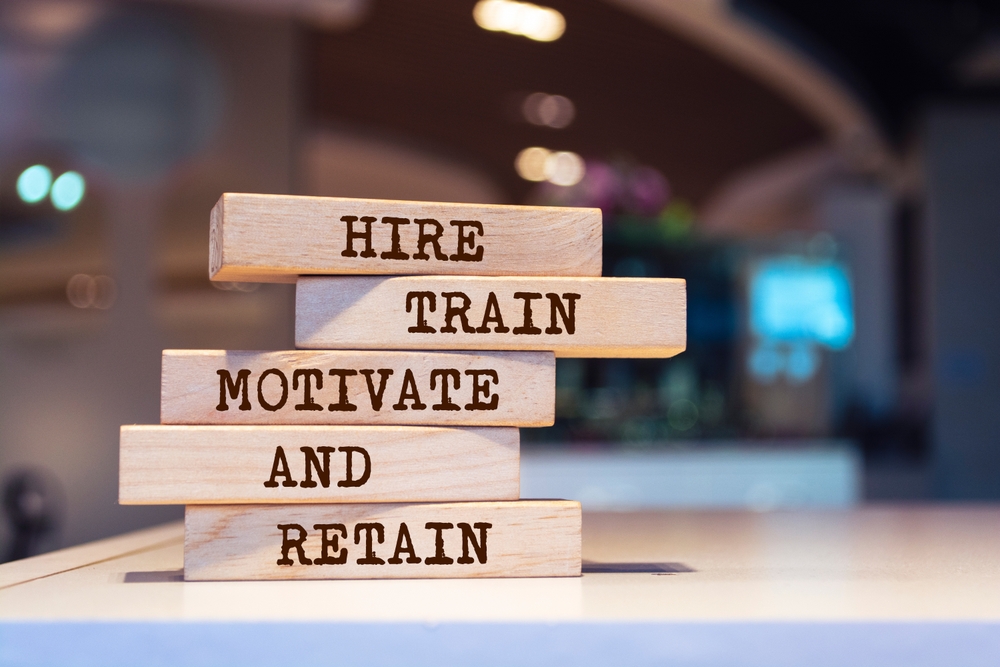
To retain employees in a hybrid work model, companies must prioritize clear communication, build trust and flexibility, invest in well-being, foster a sense of purpose, and provide engaging work.
Retention begins with hiring culturally aligned talent. J & J Staffing Resources connects companies with skilled professionals who fit flexible environments. By combining these retention strategies with J & J’s expertise, companies reduce turnover and build resilient, thriving organizations for the future of work. Contact us today to get started!
Staffing Services In Greater Philadelphia
J & J Staffing Resources is a professional staffing agency that connects local businesses to job seekers throughout the Greater Philadelphia area, including Pennsylvania, New Jersey, and Delaware.
We bring over 45 years of expertise in office, industrial, technical, and professional staffing placements as well as payroll management, and offer a wide range of services for both employers and job seekers.
Need help? J & J Staffing has offices in Newark, Bridgeport, Woodbury, Cherry Hill, Ewing, Princeton, Langhorne, and Horsham. Visit your local J & J staffing center or get started below.