
Furry Friends and Working from Home: Benefits of Pets in the Home Office

In this article, we will discuss:

  • How working from home has impacted worker health and well-being.
  • The ways in which our furry friends improve worker satisfaction while working from home.
  • Tips for creating a pet-friendly home office that boost productivity.
  • Ways businesses can involve their employees’ pets in fun and engaging activities.

 Working from home has become more commonplace than ever before. According to the U.S. Bureau of Labor Statistics, since the COVID-19 pandemic, the number of remote workers increased from 17% before 2020 to 39% in 2021. This shift to remote work has fundamentally changed the professional landscape. Where a workday once involved a daily commute and a bustling office, workers have found that the boundaries between personal and professional life have blurred. While this change has brought flexibility, it has also brought up new challenges to employee well-being. 

Remote work has a complex impact on the health and well-being of workers. For many, the elimination of a commute, increased autonomy, and the ability to be at home with their family have been significant boons. However, some unique stressors have become obvious: social isolation and the inability to “switch off.”

The loss of casual, daily social interaction with colleagues can lead to feelings of isolation. And, with the office literally steps away from the bedroom, the temptation to work longer hours is high, leading to more cases of employee burnout. This low-grade stress and lack of clear boundaries has made it difficult for employees to find the perfect work-life balance, impacting mental health and overall job satisfaction.

However, there is one benefit to working from home that has become more prevalent: our pets. These four-legged, furry, feathered, or scaled family members provide more than just companionship. In fact, they can increase satisfaction, reduce stress, and improve connection with other remote peers. 

The Benefits of Pets in Your Home Office

Our furry friends are not just part of a video chat background; they are active contributors to the home office atmosphere. Studies have shown that the benefits of human-animal interactions are widespread, and those benefits are amplified when we work from home.

The most profound benefit of having pets in your home office is stress reduction. The simple act of petting a cat or dog has been shown to lower blood pressure and reduce the levels of the stress hormone cortisol. When a challenging email or difficult meeting raises your anxiety, reaching for your furry best friend can provide an immediate, calming reset. Our pets act as living, breathing stress balls, only much cuter and far more effective.

Pets also enforce much-needed micro-breaks. A dog waiting patiently at the door with their leash, or a cat that demands your attention by walking across your keyboard, forces you to stand up, move, and shift your focus, even if it is only for five minutes. These brief interruptions are crucial to breaking up the time workers spend staring at screens and reducing eye and cognitive fatigue. Since keeping your body moving throughout the day is necessary in any office setting where workers are at their desks for several hours at a time, a pet insisting on play and movement can make a big difference. 

Anyone who has been on a video meeting recently has likely seen one of their coworkers’ pets. Dogs, cats, and other pets are fantastic natural icebreakers and relationship builders. A dog’s sudden cameo or a cat jumping up into their favorite sunny spot in the background offers a moment of connection with colleagues and clients. These brief, authentic interruptions add a touch of personality and warmth to professional interactions, strengthening team bonds while also reducing the formality of remote communication. By being their loving, sometimes interruptive selves, our pets remind us that we are all humans working together, from home, towards a common goal.

Creating a Pet-Friendly Home Office to Boost Productivity

A pet-friendly office is one that accounts for your pet’s presence and maximizes their benefits while minimizing distraction. There are a few things remote workers can do to optimize their space and invite their furry friends to be a part of their home office. 

Designated Comfort Zones: Create a space in your office that gives your pet their own comfortable space near your desk. A cozy bed, their favorite crate, or a cat tree allows them to share their space with you without encouraging them to be in your way while you are working. 

Scheduled Breaks: Do not wait for your pet to interrupt an important meeting or get in the way while you’re racing to finish a project. Build structured pet breaks into your day, perhaps during your lunch break or that dreaded mid-afternoon slump. Taking your dog on a fifteen-minute walk benefits you both—you get exercise, and they get their energy needs met, making them calmer so you can finish your day.

Noise Management: For pets that like to be involved by meowing, barking, or chirping while you work, consider keeping a basket of their favorite toys nearby during important meetings. If necessary, invest in a noise-canceling microphone to ensure professional audio quality. 

Safety First: With remote work comes remote workstations and plenty of computer and monitor cables. Secure any dangling cords, keep common office supplies like staples or rubber bands out of your pets’ reach, and always make sure your trash can is covered to deter a curious sniffer. 

How Employers Can Involve Pets in Remote Workplace Culture

Pets in remote workers’ home offices don’t benefit just the employee. Employers also can too. By involving employees and their pets in company culture, employers can boost company-wide morale and engagement and show their employees that they recognize and support their work-life reality. Here are some ways businesses can involve pets in their everyday operations.

Pet-Inclusive Benefits Packages: In our most recent blog, we discussed what benefits are truly important to today’s workforce. Many employers are embracing non-traditional benefits in their employee benefits packages. One of these is pet insurance. By providing employees with the ability to keep their furry family members healthy, an employer shows that they value their team’s entire life experience. 

Wellness Initiatives: Beyond insurance, encouraging employees to participate in activities like “Walk Your Dog Wednesday” or “Pet Yoga” can promote physical activity and reduce stress, framing pet time as essential to employee’s health and well-being. 

Pet Photo Contests and Calendars: Engaging employees and their pets by hosting photo contests like “Sleepiest Pet,” “Most Enthusiastic Furry Coworker,” or a pet costume contest can bring employees closer together. Use the winning photos to create a company calendar to provide fun, low-effort engagement.

Donations and Charities: Most pet-owning employees will always be excited to connect over a shared, meaningful cause. Organizing a virtual drive for a local animal shelter or rescue group reinforces the company’s commitment to community and the well-being of its employees’ extended furry family.

The Purr-fect Remote Working Partnership

As remote work continues to define the future of employment, the presence of pets is more than just a perk—it is a significant factor in employee retention, mental and physical wellness, and overall job satisfaction. Our furry friends provide essential emotional support, wellness breaks, and a bridge between our personal and professional lives. By embracing and supporting the role of pets in the work-from-home environment, both employees and their employers can create a more balanced, productive, and joyful working experience. 

At J & J Staffing, we know that attracting and retaining the right people is a constant challenge. We specialize in finding professionals who bring both dedication and balance to the modern workplace. If you’re ready to build a high-performing team that thrives in a flexible, pet-friendly remote environment, contact us today.

5 Ways to Boost Retention in a Hybrid World

In this article, you’ll learn:

  • The key benefits of hybrid work for employee happiness
  • Why hybrid work alone isn’t enough for long-term retention
  • How to listen to employee needs to improve engagement
  • Practical employee retention strategies that align with today’s workforce
  • Steps to build a workplace where employees want to stay and grow

For many organizations, the conventional 9–5 office model seems like a thing of the past. Technology breakthroughs, the growing popularity of remote and hybrid work models, and the emergence of artificial intelligence have all contributed to a dramatic change in the workplace in recent years. 

Unprecedented flexibility and access to a global talent pool have been brought about by this evolution, but it has also brought forth new difficulties, especially in the area of employee retention. A hybrid workforce, which combines remote and in-office presence, has become a potent solution in this dynamic environment, providing the best of both worlds. 

Employers must proactively modify their strategies to maintain the engagement, satisfaction, and commitment of their most valuable asset, their employees, if they are to fully realize their potential. This blog post will explore five essential strategies for boosting retention in today’s hybrid world, ensuring your talent stays with you for the long haul.

1. Communication, Communication, Communication

Clear, consistent, and proactive communication is not only crucial in a hybrid setup, but it is also the lifeblood of your organization. When team members are dispersed across various time zones and places, there is a much greater chance of miscommunication, loneliness, and a lack of openness.

Streamline Communication Methods

Start by defining and streamlining your communication channels. This means clearly outlining when to use email for formal announcements, when to use instant messaging for quick queries, and when video conferencing is necessary for collaborative discussions.

  • Frequent Check-ins: Hold weekly team meetings or daily stand-ups to guarantee that both in-person and virtual participants have an equal chance to contribute.
  • Asynchronous Communication: To accommodate varying work schedules, use platforms such as Slack, Microsoft Teams, Google Workspace, or Trello boards for updates that don’t need to be answered right away.
  • Leadership Transparency: Executives should communicate company news, strategic plans, and difficulties in a proactive manner. Regardless of their actual location, this creates a sense of trust and belonging that makes workers feel appreciated and informed.
  • Feedback Loops: Establish secure and convenient avenues for staff members to offer input. One-on-one meetings, anonymous suggestion boxes, and routine pulse surveys are essential for identifying and resolving issues before they become more serious.

By creating unambiguous communication guidelines and encouraging candid discussions, you can overcome the geographical distance and maintain your hybrid team’s unity and connection.

2. Trust and Flexibility Go Hand-in-Hand

One of the greatest appeals of hybrid work is the flexibility it offers. To maximize retention, employers must embrace this flexibility and, critically, back it with a foundation of trust.

Don’t Micromanage:

Micromanagement is the fastest way to demotivate a hybrid worker. The temptation to over-monitor can be strong because you can’t always see your remote team members. Avoid it. Instead of keeping track of every minute of an employee’s day, concentrate on results and deliverables. 

Set clear expectations and goals, then give your team the freedom to accomplish them however they see fit. This independence demonstrates trust, which is a key component of employee satisfaction and a strong motivator.

Allow Schedule Flexibility:

Hybrid work, by definition, offers flexibility. Embrace it fully by allowing employees a degree of control over their schedules. This could mean:

  • Core Hours with Flexibility: Establishing certain “core hours” when everyone is expected to be available for collaboration, while allowing individuals to choose their start and end times around these.
  • Location Choice (within guidelines): Giving staff members the freedom to choose which days they work remotely and which days they visit the office, as long as they follow corporate policies.
  • Personal Needs Accommodation: Understanding that life happens. A supportive work environment is created by letting employees modify their schedules to accommodate appointments, family obligations, or personal well-being.

Employees are much more likely to feel appreciated and stick with a company when they are trusted and have control over their work-life balance.

3. Invest in Your Employees

Pay isn’t the only factor in employee retention; you also need to demonstrate your appreciation for them as professionals and people. It is essential to make strategic investments in their growth, tools, and well-being.

Mental Health Strategy: 

In a hybrid environment, it can be difficult to distinguish between work and home, which can result in stress and burnout. Having a strong mental health plan is now essential rather than optional.

  • Employee Assistance Programs (EAPs): Offer confidential counseling services and resources.
  • Wellness Initiatives: Encourage mental health days, online fitness courses, or mindfulness breaks.
  • Managerial Training: Prepare managers to spot burnout symptoms and provide their team members with effective support.
  • Destigmatize Mental Health: Foster an environment where talking about mental health is accepted and encouraged.

Technology:

Employees in a hybrid workforce require the appropriate resources in order to succeed. Regardless of location, investing in state-of-the-art technology guarantees productivity, teamwork, and a smooth working environment.

  • Reliable Hardware: Provide laptops, monitors, headsets, and other essential equipment.
  • Collaboration Software: Invest in platforms like Zoom, Microsoft Teams, or Google Workspace for effective communication and project management.
  • Secure Networks: Ensure robust cybersecurity measures to protect company and employee data when working remotely.
  • IT Support: Offer accessible and responsive IT support for both in-office and remote setups.

Benefits:

To create an attractive employee value proposition for a hybrid workforce, companies need to offer tailored benefits beyond standard health insurance. This includes providing home office stipends for remote work costs, professional development allowances for growth, flexible leave policies for work-life balance, and robust recognition programs to acknowledge team members’ achievements and reinforce their value, regardless of location.

4. Strengthen Their Sense of Purpose

People want to feel that their work matters, regardless of tasks and projects. In a hybrid setting, a strong sense of purpose is a major retention driver and a potent remedy for disengagement.

Show Them Their Efforts Matter:

The company’s mission, vision, and values should be clearly stated, and individual roles and projects should be consistently linked back to this overarching goal.

  • Impact Transparency: Show how an employee’s specific contributions directly influence company goals, customer satisfaction, or broader societal impact.
  • Celebrate Wins: Acknowledge and celebrate achievements, big and small, publicly. This reinforces the value of their work.
  • Regular Feedback: Provide constructive feedback that helps employees understand their strengths and areas for growth, showing that their development is valued.

Encourage Professional Development and Passions:

To truly strengthen an employee’s sense of purpose, it is essential to show them a clear and exciting path for growth within the company. Employees are far more likely to stay when they feel their professional aspirations are not just acknowledged, but actively supported.

Providing employees with the necessary support and resources for their professional growth can significantly impact retention. Employees value knowing that their career aspirations are recognized and supported by their employers. Beyond offering training and coursework, an incentive for completing these developmental steps could further encourage their progress.

5. Provide Meaningful Work

Employees will eventually look elsewhere, even if they have the best benefits and flexibility, if their daily work isn’t interesting or feels like busywork. It’s crucial to make sure your workers always have work that is worthwhile.

Ways you can accomplish this include:

  • Challenging Projects: Assign projects that stretch employees’ skills and encourage them to learn new ones. Meaningful work often involves tackling complex problems.
  • Autonomy in Tasks: Give employees ownership over their projects and allow them to make decisions where appropriate.
  • Avoid Redundant or Menial Tasks (where possible): Automate repetitive, low-value tasks or delegate them appropriately, freeing up employees to focus on more impactful work.
  • Clear Goals and Impact: Before assigning a task, clearly explain its purpose, its connection to larger objectives, and the expected impact. This transforms a “task” into a “contribution.”
  • Skill Alignment: Ensure that the work assigned aligns with an employee’s skills, interests, and career aspirations as much as possible.

Employees are more likely to stay with a company when they feel their time is well-spent on meaningful projects. This leads to a greater sense of accomplishment and job satisfaction, which directly improves retention rates.

Lean on J & J Staffing Resources For Support and Advice

To retain employees in a hybrid work model, companies must prioritize clear communication, build trust and flexibility, invest in well-being, foster a sense of purpose, and provide engaging work.

Retention begins with hiring culturally aligned talent. J & J Staffing Resources connects companies with skilled professionals who fit flexible environments. By combining these retention strategies with J & J’s expertise, companies reduce turnover and build resilient, thriving organizations for the future of work. Contact us today to get started!

The Role of Onboarding in Helping New Hires Find Their Career Path

For decades, employee onboarding was often treated as a one-day administrative affair: a flurry of paperwork, a quick office tour, and a handshake. Today, however, leading organizations recognize this initial period for what it truly is—the foundational stage of an employee’s entire lifecycle with the company. This critical window is no longer just about orientation; it’s about integration, engagement, and setting a clear trajectory for the future.

Below, we’ll explore how a modern, strategic onboarding process moves beyond the basics to play a pivotal role in helping new hires discover and establish a meaningful career path. From building foundational relationships to providing early exposure to growth opportunities, we’ll break down how to transform your onboarding from a simple welcome into a powerful tool for long-term talent development and retention.

Provides Exposure and Discovery

Effective onboarding extends far beyond the initial orientation, serving as a vital compass for new hires navigating their career journey within an organization. It offers a truly panoramic view of the company, transcending the narrow confines of their immediate role. 

By meticulously introducing them to diverse departments, fostering connections with key leaders across various functions, and immersing them in cross-functional projects, onboarding illuminates the multifaceted nature of the organization. This exposure to various operational functions and strategic initiatives is critical, as it unveils a spectrum of potential career trajectories that new hires may not have previously contemplated. 

This crucial discovery phase empowers individuals to envision the breadth of opportunities available, fostering a sense of long-term possibility and encouraging them to actively explore diverse avenues for growth and development within the company.

Sets Clear Expectations for Growth

Current onboarding trends recognize that the initial short-term goals are just the beginning. They meticulously frame immediate objectives within the context of a larger career growth picture, helping new hires visualize their trajectory within the organization. 

It goes beyond simply answering the fundamental question, “What do I need to do now?” Instead, proper onboarding proactively addresses deeper, more strategic questions like, “What does success in this specific role genuinely look like in the long run? And where can achieving that success ultimately lead me within this company?”

This approach fosters a sense of purpose and direction, encouraging new employees to actively engage in their own professional development from day one. It helps them connect their daily tasks to their long-term career aspirations, building a foundation for continuous learning and growth within the organization.

Builds Foundational Relationships and Networks

A new hire’s career path is heavily influenced by their professional network. Strategic onboarding facilitates this by:

  • Assigning a Mentor or Buddy: This connects the new hire with an experienced employee who can offer guidance, share institutional knowledge, and serve as a role model or sounding board for career questions.
  • Facilitating Introductions: Ensuring new hires meet people outside their immediate team helps them build a network that can lead to future opportunities, collaborations, and mentorship.

When deciding what your onboarding process will look like consider individuals within your organization who could be beneficial to each new hire. This should be evaluated on a case by case basis considering no two people are alike and each new hire will have different career goals in mind.

Highlights Development Tools and Resources

Effective onboarding is an opportunity to plant the seeds for future success. By strategically integrating the introduction of career development resources, you can empower new talent to take a proactive role in their professional journey. Key resources to emphasize should include:

  • Learning Management Systems (LMS) with Training Courses: These centralized platforms are a treasure trove of knowledge. New hires should be introduced to whatever system your organization uses not just as a compliance tool, but as a dynamic hub for continuous learning. Education can include a wide array of training courses, from technical skills enhancement and leadership development to soft skills refinement and industry-specific certifications. Highlighting personalized learning paths or recommended courses based on their role can further encourage engagement.
  • Internal Job Boards and Career Pathing Software: Transparency regarding internal opportunities is crucial. New hires should understand that their current role is a starting point, not a ceiling. Introducing them to internal job boards demonstrates the company’s commitment to internal mobility and growth. Furthermore, career pathing software, if available, can be an invaluable tool. It allows new hires to visualize potential career trajectories, identify necessary skills for advancement, and explore different roles within various departments, helping them plan their professional journey.
  • Tuition Reimbursement Programs: Investing in higher education or specialized certifications can significantly accelerate career growth. Tuition reimbursement programs should be clearly articulated during onboarding, detailing eligibility criteria, covered expenses, and the application process. This benefit signals your commitment to lifelong learning and provides a tangible incentive for employees to further their academic and professional credentials.
  • Professional Development Budgets: Beyond formal training, employees often benefit from attending industry conferences, workshops, or obtaining professional memberships. If available, the existence and utilization of professional development budgets should be communicated. This empowers new hires to pursue opportunities that align with their career aspirations and contribute to their expertise, fostering a sense of ownership over their professional growth.

Clarifies Company Culture and Values

When considering your current onboarding process, look to where it might be lacking. If your process isn’t already serving to deeply integrate new hires into the organizational fabric, allowing them to truly understand and internalize the company culture, it should. This understanding is paramount for a new hire to strategically chart their career trajectory within the organization. 

A robust onboarding program actively reveals the answers to critical questions: Does the company predominantly value individuals who become highly specialized experts in a particular domain, or does it foster and reward those who develop a broad range of skills across various functions? How common are internal promotions, and what are the typical pathways for career progression? Is the company’s environment one that encourages calculated risk-taking and innovation, or is it more inclined towards established, proven methods?

Onboarding serves as the crucial period where new hires assimilate these “unwritten rules” – the nuances, expectations, and unspoken norms that dictate how things truly get done within the organization. This insight is invaluable, as it enables new hires to align their personal career aspirations and development goals with the realities of the organizational landscape

Without this cultural immersion, new hires might struggle to identify suitable opportunities for growth, understand the criteria for advancement, or effectively navigate the internal political landscape, ultimately hindering their ability to find a fulfilling and productive career path within the company.

Establish Better Onboarding Practices

By establishing an onboarding process that is robust and expansive, you guarantee that the people you hire will be motivated to stay with your organization. Giving them opportunities to take full advantage of turning a job into a career ensures that new hires will find their place, creating a workforce you can rely on.

Creating a robust onboarding process is one of the most important steps your company can take to ensure there aren’t any delays in service to your customers due to a lack of steady employment. J & J Staffing has been advocating for our clients since 1972, helping them to establish a strong workforce and adopt business practices that have the employees in mind. Contact us today for further guidance.

How the Job Lifecycle Has Changed in the Last 5 Years

Part of the struggle with filling open positions is knowing what kind of market you are currently in. If you aren’t aware of what job seekers are looking for in a position, you will likely find yourself in an open position with an overworked current staff. 

That will lead to a much greater turnover rate, increasing the number of positions you have open. It becomes a vicious cycle that can be hard to break out of. Knowing precisely what is in the job lifecycle now versus a few years ago can make all the difference.

How Has the World Changed in the Last 5 Years

The question remains: what has happened in the last 5 years that would affect the job market and the mindset/interests of those doing the job seeking?

Answer: Major world events have occurred on a widespread scale, such as the COVID-19 pandemic at the start of 2020. This event still has impact and ramifications five years out. People prefer to work from their homes instead of in crowded office buildings. The expansion of technology has been a direct result of adjustments that had to be made during this uncertain time in the recent past.

Other major factors include worker strikes, inflation, changes in the cost of living, and a desire to have more control over how workers spend their lives between their jobs and their homes.

Jobs Involve More Flexibility

One of the things that employers have become more aware of in the past five years is their employees’ desire to have a better work/life balance. People no longer want to spend all their waking hours on the job or away from their families. While this desire has been slowly simmering under the surface for at least a decade, it didn’t hit the forefront of people’s minds until lockdowns happened in early 2020.

These lockdowns gave individuals more face time with their loved ones, and they didn’t want to return to how things were before. It’s been a learning curve for employers and employees to ensure workplace morale and productivity remain at all-time highs. Thus, the idea of creating a flexible work environment was born.

One of the ways you can get ahead of the curve for the current job lifecycle is to implement a plan that works best for your company’s bottom line while also helping your employees. Allow them the flexibility to have time off for family events or allow them to work from home should the situation call for it and the transition is possible for company policies.

Employees enjoy the idea of working for companies that allow them the option to pick and choose their hours within reason. Studies have shown that the typical human brain needs frequent breaks to remain at peak performance levels. On top of that, the flexibility within a workforce allows you to make more accommodations for individuals who might have mental, physical, or masked/silent disabilities.

Work from Home Is the New Norm

As we’ve previously discussed, more and more companies are moving toward a work-from-home environment or at least a hybrid one. This allows for a more positive work environment for employees and positively impacts their overall mental health. In turn, this type of arrangement benefits the company.

By allowing employees to choose where they do their work, managers and executives have seen an increase in productivity and a more highly motivated workforce. Employees are more likely to care about their work and put their best foot forward when they feel they have a bit more control over how they work. Being in an environment of comfort versus one that is cold and sometimes overwhelming has drastically changed the capabilities of most employees.

Allowing employees to take breaks and work in a manner that is most comfortable for them makes them more likely to stick with their jobs. Their personal commute costs go down, and their connection to their family and friends increases, making them a more well-rounded person.

Consider this: if your company allows employees to work remotely, you are also increasing its reach. You can now hire employees from all over the world, which can better facilitate a wider company reach within your customer base.  In addition, through the expansion of technological advancements, companies have found that their overhead costs have decreased by adopting such work practices. 

A Rise in Contract-Based Employment

Another way that the new wave of technology and work mindset has changed since the COVID-19 pandemic began is through how people want to approach work agreements. There has been an increase in employees looking to work in a contract-based environment versus something more permanent and binding.

Contract-based employees have increased to make the flexibility we mentioned above more likely. People want control over how much they work and when. Being in a contract, not bound by full-time employment agreements, allows employees to pick their hours and for how long they wish to be of service to a company.

Freelancing has become much more common in certain careers, such as writing-based positions. It gives the individual the opportunity to make a living around major life events that matter most to them. It also allows the company to spend less on each individual employee since the requirements on the company side are less for freelancers and contract-based employees. 

More and More “Gigs” and Temporary Positions

Along with contract-based employment comes the increased trend toward looking into temporary positions or part-time employment. Some people are even putting themselves in a position to only accept work that lasts for a set period of time before moving on to the next job.

These “gigs” are helpful for both the employer and the employee. Once again, temporary employment helps the company’s bottom line because it requires less overhead per employee. Plus, it helps a company get through a busier time without feeling strapped during slower times to support an extra set of hands on deck. 

No longer is it considered a life achievement to reach 10+ years or even more than 20 years. Workers today are looking more at what works for them at the moment. It’s more obvious in today’s workforce that life happens outside of work and that life dictates what each employee wants from their job. Therefore, more and more employees are looking at the short-term, not long-term. 

Why J & J is The Staffing Agency to Turn To

Last year, Forbes named J & J Staffing one of the top agencies in the United States for recruitment overall and temporary hiring. This puts us in a unique position to help companies stay ahead of the latest job lifecycle trends. We understand where the industry is currently at and where it is projected to end up in the coming years.

Let us know if you are looking for guidance on how to improve your hiring and employment practices. J & J Staffing is always ready to help. Even if you are ready to take the next steps and know exactly what you want, we can easily help you post your open positions in a fashion that will get the correct candidates as fast as possible. Contact us today.

Employee Retention Strategies for the 2024 Job Market

Maintaining a stable business model is best accomplished by maintaining the same workforce for months to even years at a time. By focusing on how your business can benefit your employees, you will ensure that those you hire will be willing to stay with you.

Studies show that the current job market is uniquely unpredictable. 75% of employers report that it’s becoming increasingly difficult to fill open positions. So, what do we do to ensure potential employees choose us or current employees stay with us for an extensive period? Focusing on employee retention options is the first and most crucial step.

Why Is Employee Retention Important?

Ensuring your business has a strong, steady, and stable workforce will ensure long-term success. It’s important to remember that hiring people willing to work for you for a longer period of time means your efforts can be focused on the bottom line instead of staffing and behind-the-scenes organization. 

There are five things to keep in mind when considering why employee retention is vitally important for your company. 

  1. Reduced Company Costs – First and foremost, longer employment periods end up costing you less in the long run because you don’t have to spend money on onboarding costs at a more frequent rate.
  2. Greater Productivity – It’s important to remember that keeping a steady workforce means your employees can rely on each other and work together as a team to get the job done. With frequent turnover, your employees are stuck training new employees instead of focusing more on the company’s overall productivity.
  3. A Strong, Flourishing Work Culture – Overall, your employees’ motivation will remain positive and high if they see that their coworkers are sticking around. It shows that you respect, support, and appreciate everyone in the company.
  4. Enhanced Employee Morale – When employees remain the same and a reliable unit, the morale across the board will be higher. Knowing that the people they work with will be there daily allows employees to feel more connected and motivated about their jobs.
  5. Happier Customers – The longer an employee stays with your company, the more likely they will know how to interact with your customers. This, in turn, will allow your customers to rely on and trust your company and leave them more satisfied with the services being provided.

Important Strategies to Keep in Mind

We have previously posted about employee retention strategies. While many of these strategies have stayed the same, there are a few key differences that better match the working environment in 2024. 

It is also important to point out that our strategies for hiring and retaining millennials can now be applied to all working individuals. What used to be exclusively the feelings and desires of a younger working audience are now found among all employees, from young to seasoned. 

So, what strategies do we suggest? On the grand scale, our suggestions focus on things that uplift morale and employee motivation. Keeping that in mind, let’s get started!

Ensure Your Hiring Process is Quick & Efficient

J & J Staffing has consistently made this suggestion since 2022. We truly believe that the faster and more efficient your hiring process is, the more motivated people will be to work for you.

This becomes the easiest way to ensure that the people you hire will want to work for you specifically. In 2024, the most eligible employees are looking for employers who make them feel special, valued, and respected even during the hiring process.caring for employees icon illustration

Offer Flexible Work Arrangements

At the end of lockdown, late 2020 and early 2021, employers started to find that having either a work-from-home option or a hybrid setup was more motivating for their employees. This is due in large part to the flexibility they offer as a means to help productivity and employee happiness. 

While we understand that not all businesses can offer either of those options to their employees, there are ways to make flexible work arrangements in every environment on a case-by-case basis. Taking the time to accommodate employees tells them you value their contributions and want to keep them happy and employed.

Offer Positive Feedback

Offering positive feedback seems like the littlest thing you can do, but it truly can make a significant impact. Employees need to feel that their efforts are seen, appreciated, and acknowledged.

Positive feedback starts you off on a positive note and fosters an overall positive, caring company culture. Starting with an employee’s strengths allows the areas they need to improve on to be better received.

Foster Creativity

Humans all want to feel like their ideas are worth something. Allowing your employees to make suggestions about company policies and procedures that directly impact their jobs will motivate them to care about what they are doing.

Sometimes, the best ideas for growth and development come from the people on the front lines performing the tasks day in and day out.

Encourage Mutual Respect

In recent years, more individuals have been looking for bosses and supervisors who treat people with respect and allow the same level of respect to be reflected back to them. While positions naturally create a hierarchy that needs to be in place for a business to operate properly, giving room for equality in other aspects can change the whole game.

Well-respected employees and supervisors are likely to come together and remain united in furthering the business goals. Respect goes a long way toward ensuring employees feel as though they have a voice and are valued at work.

Provide Growth Opportunities

It is proven that if employees feel they don’t have anywhere to grow in their job they will move on. No one wants to spend years doing the same work over and over without any potential for promotion or professional development.

Even if you are only offering the opportunity to expand their knowledge and expertise in their chosen field, you are ensuring employees will appreciate the service they are providing. Any amount of growth is beneficial and can keep your employees satisfied.

Offer a Competitive Salary

Along the same lines of promoting personal and professional growth, offering a competitive salary is important. You might find the perfect person to add to your company roster, but if you aren’t giving them financial compensation to match, they aren’t going to choose you.

If you aren’t consistently reassessing the salaries of all your employees against the current economy and job market, you also run the risk of losing long-term, loyal employees. They are going to go where the money is. It’s as simple as that.

Promote Trust & Transparency

In line with some other action items on this list, promoting an environment of trust and transparency is important. Every time your company makes a significant decision, it is best to inform your employees and open the floor up for feedback regarding said changes.

No one likes feeling blindsided by decisions affecting them, nor do they like feeling lied to. It takes zero extra time and effort to keep your employees informed and in the loop about anything regarding company policies and procedures.

Create a Collaborative and Open Culture

In 2024, the desire to work for a company where you truly feel like a unified team is at an all-time high. Employees want to have a positive work environment that feels completely balanced with their personal lives.

Feeling as though they have the support of their professional team ensures that employees are going to overlook any minor irritations they have about their jobs and remain with the company. In fact, with an open, respectful, and collaborative culture, employees are more likely to inform higher-ups about those things that irritate them in the workplace, allowing for changes to be enacted.

Identify & Alleviate Employee Pain Points

Listening to your employees is a significant way to take action today to ensure your employees remain part of your team. Everyone wants to be heard, especially when they spend most of their time on the job.

Showing employees that you care enough about them to listen to their concerns and make an effort to implement solutions allows them to be further motivated to meet productivity standards. A workforce that feels appreciated and heard is more likely to contribute  110% to the company goals and ensure the customers are happy.

Implement Changes Over Time

Finally, if you find that changes need to be made to current policies or procedures, make them over time. Most employees need time to adjust to anything new, so giving them the time to do so will boost their morale significantly.

Giving employees time to test out new changes and provide feedback on how well they work is also a great way to ensure your employees respect you and wish to stay with the company. They will more likely adhere to the changes and take pride in their work.

Work with J & J Staffing to Ensure You’re Hiring the Right Employees

One of the things J & J Staffing takes pride in is our ability to stay on top of the latest hiring and retention trends. This allows us to provide the best service for our clients. 

If you have questions about how to ensure you’re hiring the right people or retaining the wonderful employees you already have, we are here to advise. Contact us for more information. 

Using AI to Find the Best Candidates and Enhance Your Process

In the last few years, AI has become a big part of who we are and how we go about our everyday lives. From automated ordering and integrating processes into one easy-to-use software, AI has helped make our lives much more accessible.

So, why not expand your hiring efficiency as a company further? You might already be using it to ensure your business works fast, efficiently, and to the highest quality. Expanding AI into your day-to-day back-end operations will work wonders for your business and customer relationships.

What AI Means for the Future 

You need to understand that  AI technology isn’t going away. As time goes on, it will only expand and evolve to become more involved in certain processes of our lives. If you want to stay ahead of the game regarding recruitment, you need to ride this AI wave, not ignore it.

More and more businesses are looking at ways to make their recruitment process much quicker and more accurate. AI affords them the tools to do so. By utilizing this technology, other employers can rest easy knowing they’ve found the best candidate for the job and that their entire hiring process is as fast as it possibly can be.

But what is the best way to integrate AI into your business’ hiring process? After all, just like most things, AI takes an adjustment period to work out all the kinks and ensure you’re using it to the highest advantage for your company. 

Here are some steps to consider when thinking about integrating AI into your hiring process.

  • Analyze Your Current Processes – The first step should always be to assess what you are currently doing. This way, you can determine the best way forward and the most effective use of AI for your business.
  • Select The Right Tools – Once you know where you currently stand, you can look at what AI tools are available to businesses and decide which ones might be the best for your recruitment process.
  • Get Your Team on Board – You don’t run your business alone, therefore, any AI decisions and implementation should also be run by your team. This allows them to provide feedback and gain much-needed information about the new processes and how they work.
  • Integrate AI Into Your Existing Systems – The next step is ensuring that your chosen AI program will integrate well with your current systems. The integration process can be confusing at first, so it’s essential to take your time and give it your full attention.
  • Do a Trial Run – We all know how important it is to test drive a new car before we buy it. Well, integrating AI into your hiring process deserves the same thing. You should always do an internal test run before making it official to ensure all the kinks are discovered and worked out.
  • Adjust Your New Process – Once you’ve completed your trial run, you can go back to the drawing board and smooth out any wrinkles you observed or that your team provided feedback on. This will ensure that the launch of your new hiring process will be successful.
  • Ready To Go – Now that you’ve completed all the previous steps, you are ready to launch your new process and see results. Just remember that everything needs monitoring to ensure it continues working effectively and efficiently.

Remember, as you integrate AI into your hiring process, you can do as little or as much as you want. AI can be utilized only on the candidate selection level or throughout your hiring process. Whatever you decide, AI is here to help through accurate candidate matching, faster screening processes, and predictive analytics.

Finding the Best Candidates Through AI

Starting small is an easy way to jumpstart your business’ integration with AI for recruiting. If you aren’t sure how much you want to rely on AI for the job recruitment part of your business, it’s very easy to try it out on candidate selection first. 

As with all AI technology, humans should always be a backup for quality control and monitoring. When starting, AI candidate matching can be easily monitored and tested to see if AI is something that you want for your business staffing needs. AI can help you in significant ways to ensure the candidates you are interviewing are the best ones for the job, but if you go through the process and feel it isn’t doing enough, you can step in and try using AI in a different way.

Here are four simple ways to utilize AI to help find the best candidates for your open positions.

Predictive Analytics

With the immersion of AI, there have been advancements in analyzing data – in all areas of your business. This technology can also be used in recruitment. There are certain AI tools specific to recruitment that ensure employers are getting accurate data about their current and future employment needs.

AI technology can also predict whether or not a candidate will be successful in the job you offer. Over the years, employers have discovered that candidates with a resume that fits the job requirements aren’t always going to work out with their specific company. This is where AI predictive analytics comes in.

Using predictive analytics is a way to integrate AI into your business hiring process in a way that will benefit you now and in the future. This form of AI for recruiting will look at a candidate and assess not only their qualifications but also their work history and how they answer pre-screening questions to determine whether or not they will fit best with your company culture and goals.

Finding Candidates on Various Platforms

AI can also be a great tool to find candidates who might be looking for work but haven’t seen your exact job posting on their own. This allows you to expand your reach without any extra time taken out of your day to focus on combing other websites to find them.

By utilizing AI to comb job boards, job forums, and other professional business platforms such as LinkedIn, you are ensuring the best candidates are made aware of your openings without you having to spend the hours it would take to reach out to them manually. AI can do the work by sending these potential candidates an automated email describing your position and your business and allowing them the opportunity to submit their resumes and applications.

The work of this form of AI technology can take minutes, whereas doing it yourself could take hours. Utilizing AI here ensures that this portion of your hiring process can become even more streamlined and efficient with minimal effort.

Chatbots for Initial Candidate Screenings

Another great way to use AI to your advantage when it comes to finding the best candidates for your positions is through Chatbots. This tool, in particular, is ideal for doing those initial candidate screening questions to see how the candidate fairs beyond their resume. 

Using a Chatbot will allow you to assess a candidate’s viability within your organization quickly. As stated above, a resume doesn’t always ensure that the candidate being presented will succeed at your company. By utilizing this AI recruitment tool, you can see how each candidate measures up against what you are looking for in your company culture and job requirements. 

Using a Chatbot will work with the suggested predictive analytics advantage mentioned before.

Resume Screening

Integrating AI as a recruitment tool can be the most successful way to screen resumes. Running candidates’ resumes through an AI program to catch those who have the required qualifications will save you hours of manual labor going through each one on your own.

This tool will save you time and help eliminate the possibility that one candidate can be favored over another due to unconscious biases. Utilizing AI in this portion of your recruitment process ensures that the best candidates for the job are being selected for the next steps based on their resume and qualifications alone. 

After all, a machine doesn’t know one name from the next. It ultimately gives each applicant a fair chance.

Using AI to Enhance Your Hiring Process

There are various ways that AI recruitment tools can be utilized beyond simply finding the right candidates for the job. Various AI tools can help you throughout your recruitment process, ensuring everything runs quickly and smoothly.

A few years ago, we published a blog talking about ways you could manually ensure that your recruitment process is the quickest and most efficient option for candidates. While at the time, we didn’t mention the use of AI to speed up your process, these suggestions paired with AI will ensure your process is quick, efficient, and reliable.

What AI tools can you utilize to ensure your entire process is as short and quick as possible? Take a look at the options below.

Video Interviewing Tools

Sometimes, the interview process is the most tedious part of narrowing down your candidate options. While eliminating in-person interviews isn’t suggested, you might benefit from your initial interview stage being conducted through an AI program.

By utilizing AI video interviewing tools, you free up your schedule to focus more on the candidates likely to be a good fit for your company. The initial interview is a great way to assess whether you want to see a candidate face-to-face and potentially offer them a job. It prevents you and the candidate from wasting their time unnecessarily.

It’s also a great way to weed out candidates that won’t fit your company culture. If they aren’t willing to do pre-screening through a video interview program, they aren’t likely to put the right level of effort into the job.

Automated Interview Scheduling

AI recruitment tools don’t always have to be extensive programs that encompass a massive part of your process. Sometimes, something as simple as automating how interviews get scheduled is enough.

It saves the time usually spent going back and forth via email with a candidate to find a date that works best for you both. By sending one email that contains a link to your calendar of potential dates and times, you are eliminating the time wasted waiting for a candidate to reply.

Calendar automation tools are so easy to integrate into your process, and they are simple to navigate on the candidate side of things. This makes getting an interview on the books as easy as 1,2,3. 

Assessment Tools

Conducting preliminary assessments is another part of the recruitment process that could take up quite a bit of time. Some positions, such as skilled workers or higher qualified professionals, require a series of assessments to determine whether they are knowledgeable enough to hold the position they are applying for.

Before the days of AI, employers had to conduct these assessments themselves, taking precious time away from their actual job duties. Currently, a variety of AI recruitment tools are available that give employers options on how to assess each potential candidate before meeting with them in person for an interview. 

These tools are crucial to speeding up your hiring process and putting the progression of a candidate back into their own hands, by allowing the candidate to determine when and how fast they get through the assessment process, you are ensuring that only those serious about the job are moving forward.

Offer Letter Generation

Finally, AI can also help you in the final stages of your process. Many companies already have templates for sending out offer letters to candidates. There are now AI tools that can take these templates and personalize them for you. 

It’s a simple tool that can save you time and effort in the long run. Candidates won’t know the difference, but you’ll see a change in how quickly your process concludes with the integration of this vital tool. 

J & J Can Help You Find The Best Options

At the end of the day, what you decide for your business has to be more helpful than not. J & J Staffing is here to help you determine the best way to use AI to speed up your hiring process. 
If you are still curious about what might work best for your recruiting process, give us a call.

Hybrid Workplace Management: Your Tools For Success

When the pandemic first hit, companies had to scramble to find a work-from-home solution within 24 hours. It’s been a few years since that hectic time, and while during the early days, we prayed for everything to “return to normal,” we have accepted that having a work-from-home business model is the new normal.

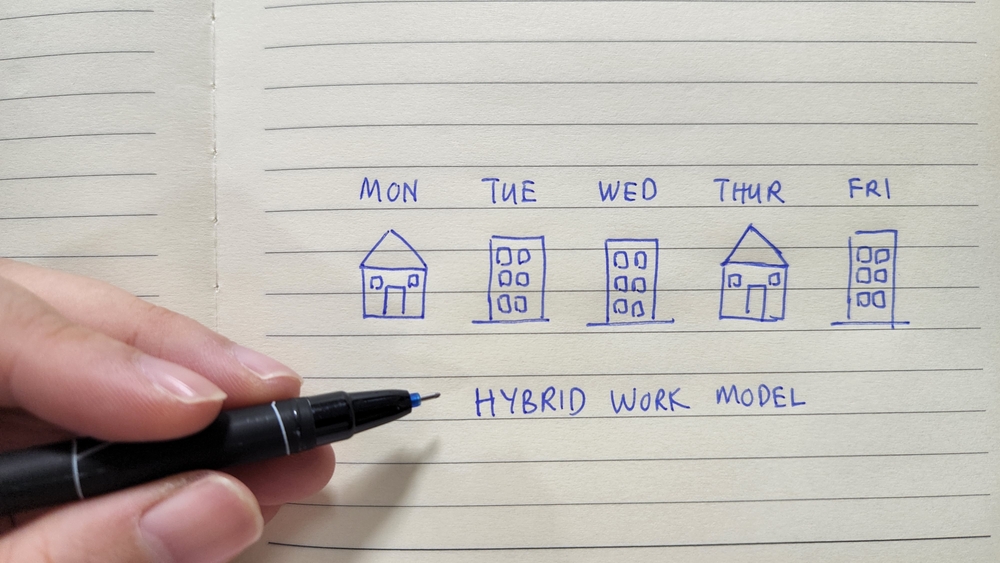
But not all companies can go completely remote; some can only make a couple of days a week work.

The magic is finding the sweet spot for your company and the perfect management style to keep things running smoothly, no matter the environment.

As long as you look at the three most important things as you make this transition, you are bound to be a success. You can’t make a significant business change like this without considering the company’s goals, the managers, and the other employees. All of these things will be affected by any decision, which will, in turn, determine your business’s continued success.

So, how do you manage your whole business from the office and home? The answer is simple: having a plan before transitions start happening.

Management

An essential part of creating a thriving hybrid business environment is ensuring your management works in both the office and remotely. Your company can test this over some time before enacting a company-wide hybrid policy.

That is one of the benefits of going hybrid now versus a few years ago. You can take the time to establish what works best for your company structure and who struggles the most from remote work. Not everyone will take to work from home as easily as it is to breathe. If we learned one thing from early 2020, some people are fantastic managers, teachers, and leaders when their audience/team is right in front of them. However, put a computer screen between them, and they struggle to establish a rapport and authority because they can’t visualize what they need to do.

Taking time to establish a remote option in your workplace slowly allows you to sort out which team leads might need extra support when transitioning to a new way of managing. Giving your employees time to get used to the change in structure will ensure you become a successful remote company when you need to be.

Taking time also allows you to work out any technical issues when setting up home offices. This is a crucial part of management because it’s part of each role working at 100% every day of the week – no matter the situation. Having rules and guidelines in place for when a connection issue occurs will help your company save on downtime.

We will get into this a bit more in a minute, but another crucial part of management is meetings, scheduling, and employee support. All of these must be established before making your remote workplace option available companywide.

As a business owner, you dictate how much your manager needs to be in contact with their team throughout the day. By establishing this scheduled structure from the start, you are giving your managers the tools for success even before they have the opportunity to feel overwhelmed. 

These meetings and check-ins can be altered based on workload and capabilities, but they still need to happen at a specific frequency – daily, once a week, every other week, or once a month; you need to make it company policy that they occur. This way, your employees aren’t just out there doing whatever they want without making themselves available for the responsibilities of their position.

Scheduling

Man on a video call

Most importantly, you must determine how your hybrid schedule will be set up—having a plan will make it easier to manage your employees’ expectations. Employees are less likely to abuse the system if they know how many and which days they are allowed outside of the office. 

When planning the schedule, you need to decide your company’s needs, each role’s needs, and how often you can afford your employees to be out of the office. No two companies will have the same hybrid plan because each situation is unique. The most important thing to remember is to find what works best for you.

It would be best if you also considered allowing your employees some schedule flexibility. Whether you decide they can have access to this flexibility from the start or it is a perk for them once they’ve established that they can handle working from either environment. You have to assess what works best for your company overall and the various roles within the company. 

Don’t let scheduling bog you down. When you first start, decide on a schedule and stick to it. Choosing to have a whatever-goes attitude from the start can create tricky problems with staffing that you don’t need. If you realize after a few months of hybrid that your company can afford more at-home days or need less, you can adjust to fit the needs. 

Maintaining Culture

One of the first things to suffer when deciding to go hybrid is the overall business model, which includes your culture. More often than not, when your company was created, it was with the mindset that everyone would be in the office every day and interacting with one another face to face quite regularly. Naturally, when you take your business hybrid, there are going to be some adjustments needed.

Company culture can seem effortless to establish when your workforce is in-person. When you adjust your practices, that culture could take a significant hit if you aren’t careful. While the culture may remain as it has always been for your seasoned employees, whenever you bring on new hires after this change, you need to have a plan to convey that culture to them despite not being in person.

It’s easy for new hires not to understand the values, beliefs, and vibe of the company they work for when their interactions with coworkers and managers are limited. Knowing this will help you set up a successful transition and path forward. 

You don’t need to change your culture’s basic structure; you need to adjust it to fit a more tech-centric environment. If you used to have monthly team-building exercises, you should continue that trend but find new ways for them to be exciting and fun even if members join in virtually. 

Make sure these team-strengthening activities, which are a big part of your culture, remain well-attended and have feedback from everyone involved. This way, your teams still feel like teams despite not meeting in person.

Part of adjusting your company and your culture is changing your communication style. With not as much face time, some employees may need increased communication throughout their days to feel less on an island. Ensure your company policies and best practices include a structure for this change.

Communication ensures everyone is a success no matter where they work. It enhances your culture and provides employees with the support they need to be their best.

Hiring Practices

We're hiring post-it note

Ensuring your culture withstands the move to remote work is extremely important when considering your hiring practices. During the hiring process, you will need to account for a remote employee’s inability to know the office’s culture from experience. This means you must adjust your culture so that new hires understand the company from day one, even if they never step foot in the office or meet their coworkers.

You can make some significant changes to your hiring process because of remote work. One of the major ones is you can adjust compensation to reflect the changes made to your company structure. Depending on how remote you can feasibly make your company, you may be able to extend your pool of candidates from your area to include the whole United States.

In a hybrid world, it might be beneficial for your onboarding process to include time spent in the office. This can ensure your new hires are going to be good fits for the remote aspect of your company. It also gives you a chance to introduce new employees to the executives of the company as well as their direct managers. Making this meet and greet part of their orientation is crucial if you have to do a virtual onboarding. 

You want to ensure your practices help the 90% of employees who will thrive in whatever environment your company gives them and the 10% who may need extra help for whatever reason.

How We Can Help

J & J Staffing has been on a hybrid business model since the start of the pandemic. Our company continues to thrive and adjust to each new challenge. As the area’s premier staffing resource, we know how companies have worked around this new normal. If you need help hiring any new employees for hybrid or just some more tips on what best practices you can use, give us a call.

Staffing Services In Greater Philadelphia

J & J Staffing Resources is a professional staffing agency that connects local businesses to job seekers throughout the Greater Philadelphia area, including Pennsylvania, New Jersey, and Delaware.

We bring over 45 years of expertise in office, industrial, technical, and professional staffing placements as well as payroll management, and offer a wide range of services for both employers and job seekers.

Need help? J & J Staffing has offices in Newark, Bridgeport, Woodbury, Cherry Hill, Ewing, Princeton, Langhorne, and Horsham. Visit your local J & J staffing center or get started below.